

Interview: Fashion Designer Sahibzada Mayed
With multiple showings at NYFW, Sahibzada Mayed is making waves as the creator of Naranji, a modern yet culturally-rooted brand that seeks to disrupt the gender binary and transform how people view their identity. We caught up with the designer shortly after AsianNYFW to learn more about his vision and process
With multiple showings at NYFW, Sahibzada Mayed is making waves as the creator of Naranji, a modern yet culturally-rooted brand that seeks to disrupt the gender binary and transform how people view their identity. We caught up with the designer shortly after AsianNYFW to learn more about their vision and process.

Q: Why did you decide to go into fashion?
I kind of stumbled my way into it. What really sparked my interest was reflecting on how I grew up in a cultural environment that strived to assimilate to Whiteness. For a great part of my life, I felt bound in my own skin and wanted to be something I could never be. This harsh reality was a consequence of persistent cultural critique, representation in media, and normative beauty standards. I’ve always felt this gap between what’s considered fashionable and what cultural clothing is. I wanted to change that and reclaim my cultural diversity and heritage. Around the same time, I started to question the gendered conventions of clothing and why certain types of garments were restricted within rigid binaries.
Q: How would you describe your work?
Above everything else, I believe my work is a form of storytelling. I usually position fashion as a form of resistance to connect with our ancestral histories and reclaim the narratives that have been lost and forgotten. My work tends to be bold and visionary. The visual language is vibrant and colorful to capture the beauty and essence of South Asian culture.

Q: What would you say is the biggest difference between western and eastern fashion?
This question is very close to my heart and it’s kinda unsettling to think about. There is definitely a power differential between western and eastern fashion, and what is prioritized more. Mainstream fashion fails to center the rich and diverse cultures that exist outside of Eurocentric norms and trends. Generally, what I’ve found is that cultural fashion tends to focus on storytelling and traditional craftsmanship. Sometimes, I find it hard to separate western fashion from the plethora of fast fashion brands that have commodified clothes for capital gains. Alongside it is important to parse through the colonial legacies that have defined what dominant western fashion is.
Q: Do you think you draw more inspiration from eastern or western fashion? What are your favorite elements of each?
My work focuses on decolonizing cultural fashion, drawing from my South Asian and Middle Eastern roots. What I appreciate most is the incredibly rich history and culture of garments that has been preserved through generations and evolved over time. I tend to draw my inspiration from that, focusing on cultural patterns, motifs, and visual representations. Lately, I have been stepping more into a fusion of cultures, which is a commentary on the diasporic experience that many immigrant communities live through. I am leaning more on the hyphenated identity of what it means to be South Asian and American, and exploring that through fashion.
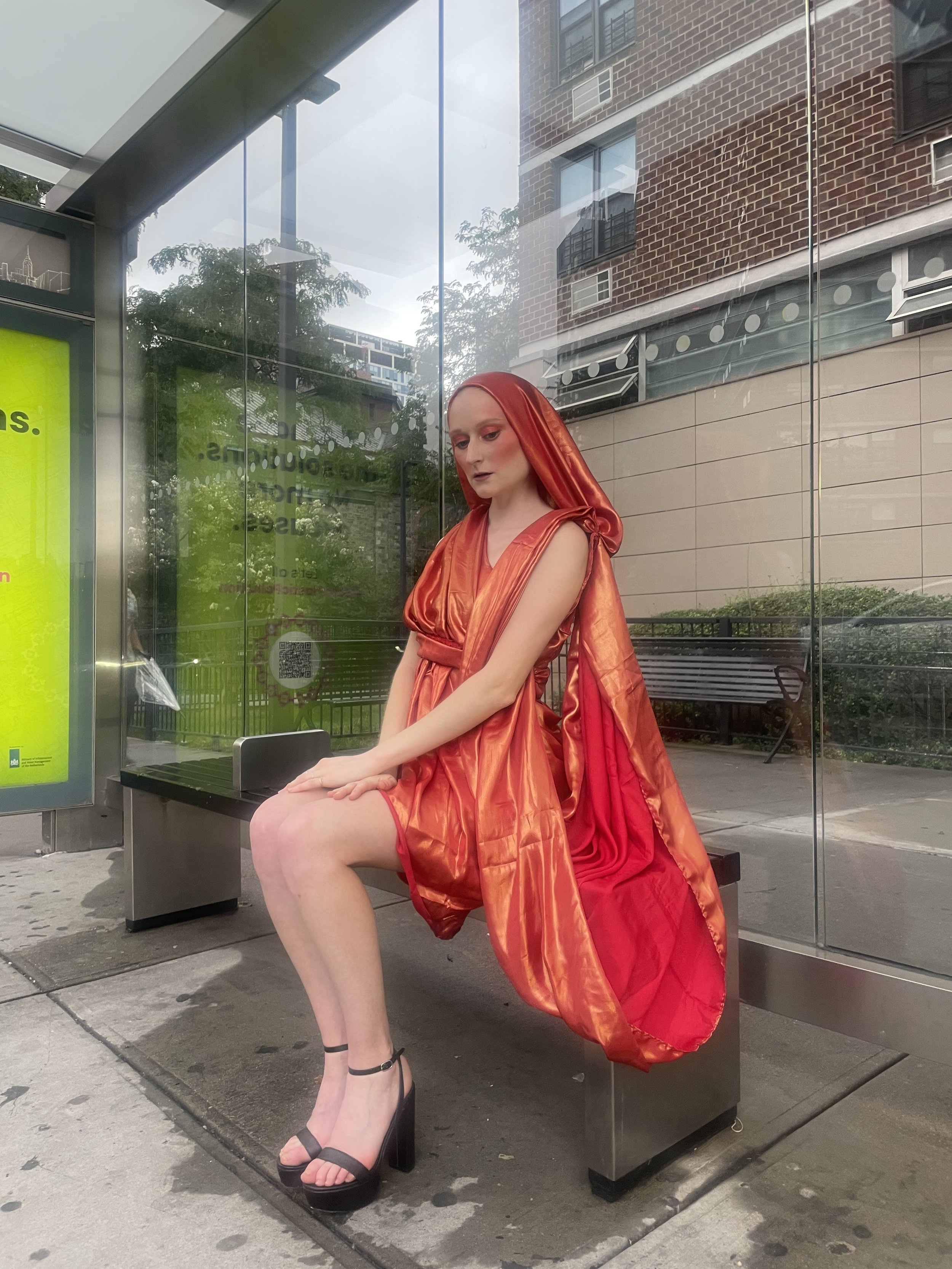
Q: What do you hope wearing Naranji can give to your consumers?
Above everything else we want our consumers to feel empowered and be able to express themselves freely. I really think of fashion as a journey, brimming with possibility and growth, so we hope we can inspire others to leverage that as an outlet to explore who they are and who they want to be/come. Our clothes carry the weight of untold stories, narratives that have been forgotten, and ancestral histories that have been lost through colonial legacies. We invite people to reconfigure their relationships to clothes and what they wear as a way to reconnect with their pasts and forge pathways for liberated futures. Clothes are often seen as a commodity or object, but we encourage people to start noticing how they embody cultural significance and meaning.
Q: What was the inspiration for your SS/24 collection?
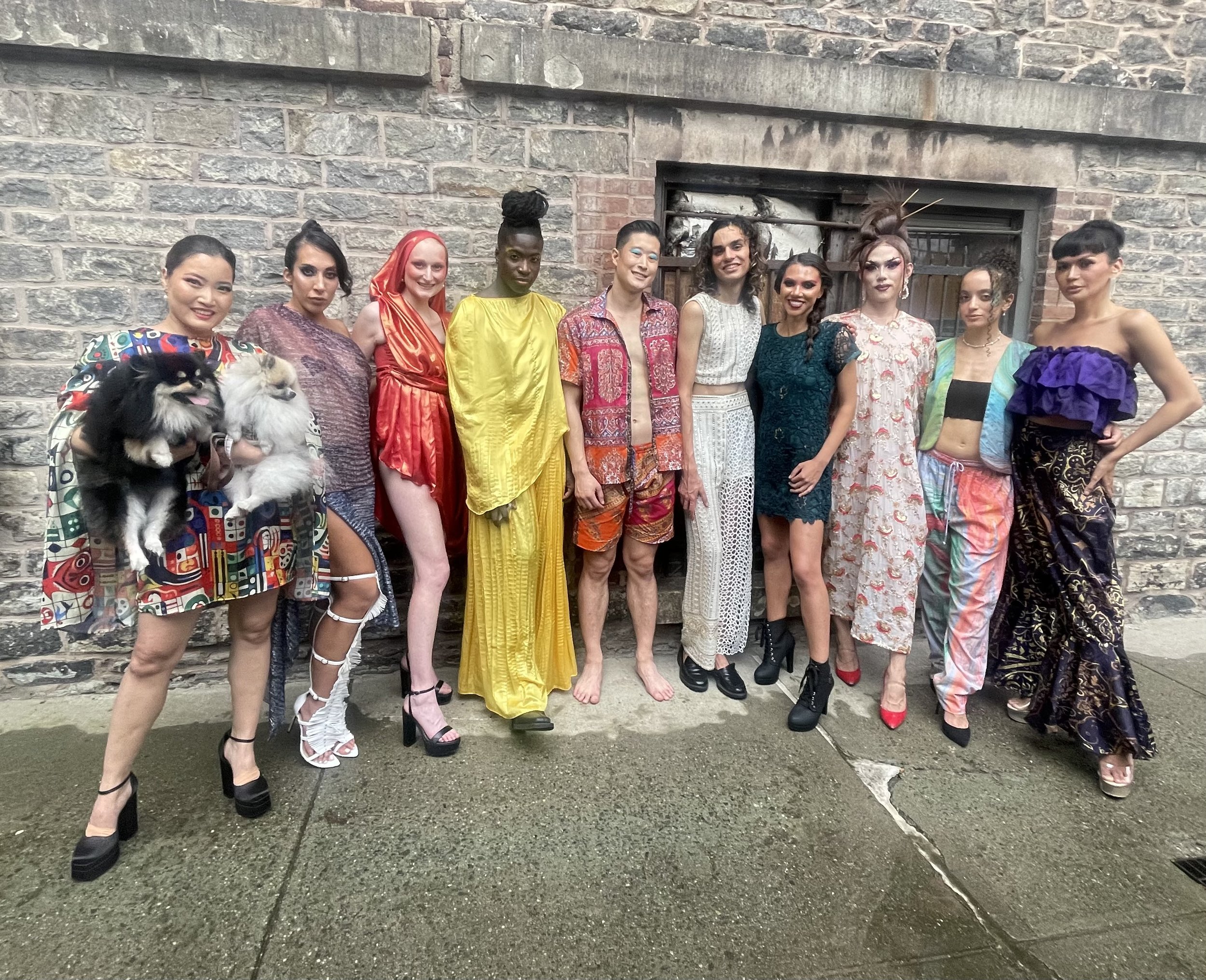
Our latest collection is titled: “Culture, Costume, and Non-Conformity.” What I’ve noticed is how people tend to separate cultural fashion from contemporary wear. This perspective tends to prioritize Eurocentric norms in the fashion industry. We wanted to challenge and disrupt that, and redefine how we can capture the essence of South Asian culture and tradition while crafting visions for the future of fashion. Featuring vibrant hues, intricate artisanry, and rich heritage, this collection transcends conventions and marks the intersection of fashion and culture as an ongoing journey of endless possibilities. Each garment tells a unique story of evolution and celebrates the idea of non-conformity. There are no assigned gender labels and rather we embrace the fluidity and expansiveness of gender by welcoming our community to explore who they are and who they could be.
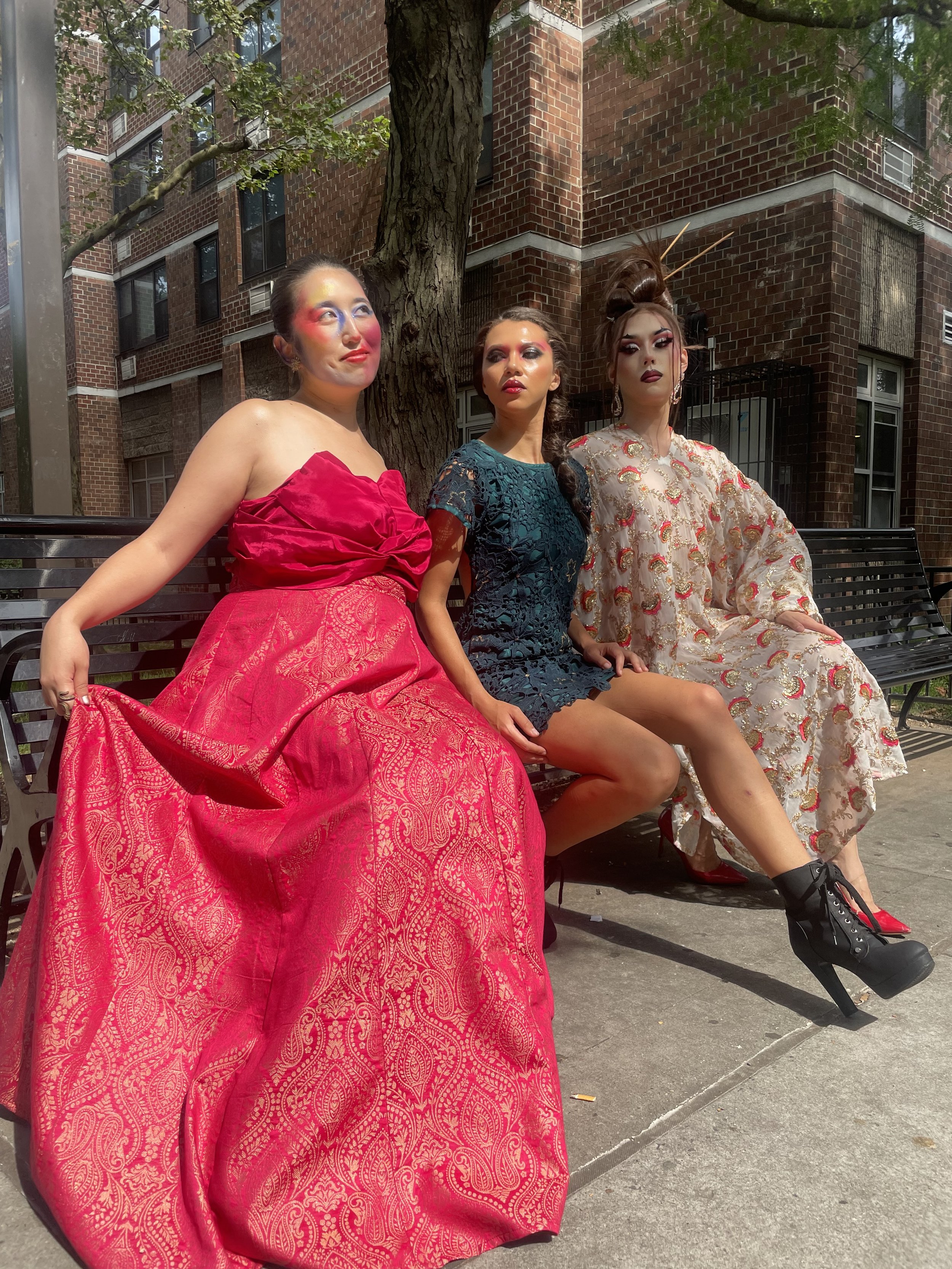
Q: What was the process of creating all these pieces like?
I feel like I tend to be all over the place and that’s where the magic happens. There’s a lot of reflection and I just really try to stay curious. What matters the most to me is thinking about what I’m trying to represent and then crafting a story around that. I think what I really try to capture is being able to showcase culture in all of its richness and beauty. So for this collection, I really emphasized the choice of fabric and technique that was used whether that’s chikankari (a form of embroidery) or block-printing completed by hand.
Q: I’m curious about the name “Naranji.” What does it mean, and why did you choose it?
The word Naranji translates to the color orange in Urdu and Farsi. I feel like I just felt really compelled and ended up going with it. Orange is my favorite color and when I think about it I feel a sense of warmth, joy, and rejuvenation. That to me captures the essence of our brand: being held and nurtured like a heartfelt embrace. The visual representation is also very inviting and welcoming which speaks to our values around cultivating a sense of community through our work.
Q: What do you think of all the shows you’ve seen so far? Any trends you’re noticing for the next year?
I’m definitely noticing a shift toward more ethical and sustainable fashion. I feel like a lot of activists in the space have been pushing for a divestment from animal products and moving toward slow, circular fashion. An example of that happened during Coach’s show this season at NYFW. Another thing I’m really sitting with after this season is the continued lack of age and body diversity among models that are selected to walk for these prestigious shows. This is definitely something I want to focus on next year and see what possibilities emerge.
Q: Lastly, any advice to up and coming designers?
I feel like this is a very exciting yet overwhelming time to be in the fashion space. There’s a lot of movement and things are constantly in flux. While this can seem daunting, I have come to realize that it also is a rich breeding ground to harvest new ideas and forge alternative paths for the future of fashion. My advice is really to stay true to who you are and be very intentional about what you’re creating and who it is for. I’m hoping that the consumerist culture really catches on to a more mindful and responsible lifestyle, shifting toward brands that have a strong commitment to preserving culture and the environment.

For more information or to shop looks from Naranji, follow their instagram @hello.naranji or peruse their site: https://naranji.fashion.

NYFW-Inspired Looks For Work
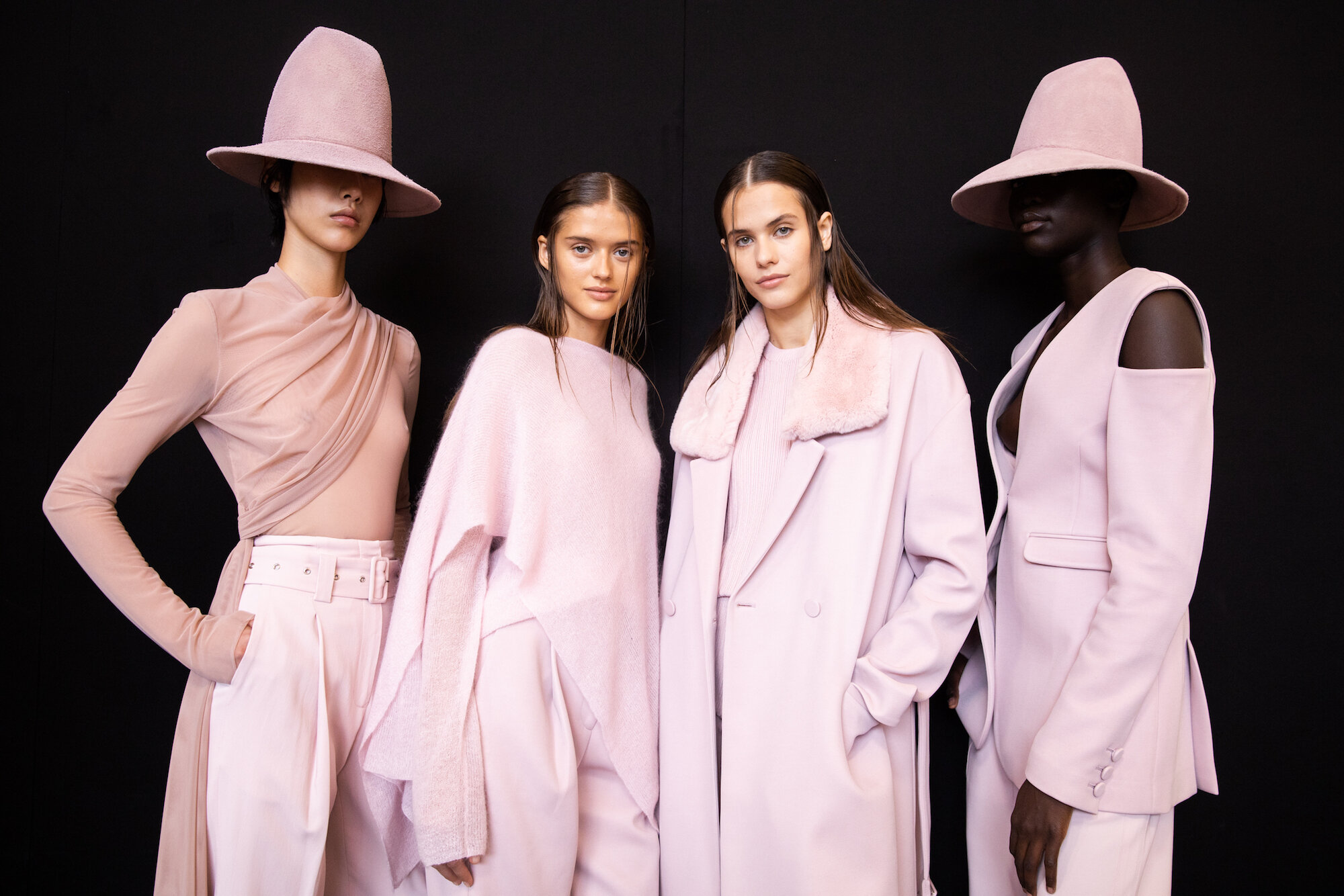
Image credit: Wonderland Magazine
Get ready, sartorialists. New York Fashion Week is upon us once again, which means it’s time to scout the runways for your new fashion forecast.
Each NYFW runway is an event on its own, a spectacle of beautiful clothes and stunning design. One critique that always pops up during this time, however, is the practicality of the garments. NYFW skeptics always retort with this question — when will you even wear such clothes?
The answer isn't as far-off as you might think. If you’re looking to spice up your work uniform, here are some NYFW-inspired ideas that are tried and tested:
The emergence of the short suit

Image credit: Fashionista
Rather than relying on jeans for casual Fridays, why not wear a casual suit? A short-suit combination is this season’s newest trend, especially since you can still wear shorts without feeling like your legs are going to freeze off. Fashionista’s coverage of NYFW street style notes that this ensemble was a particular crowd favorite as people jetted off from one show to another.
Matching your bag and your outfit

Image credit: Vogue
Gone are the days of the multipurpose tote, as NYFW designers are pairing their ensembles with a matching bag. While we all have our favorite tote that takes us practically everywhere, you may want to take a cue from Proenza Schouler and match your black and white suit with a black and white bag. This is the move that will give you serious style points.
All neon everything

Image credit: Editorialist
Sometimes, the best way to experiment with color is to just go for it. Helmut Lang’s highlighter hues show how powerful monochrome dressing can be if you want to stand out. If you’re not ready to go head-to-toe neon just yet, you may want to break up your outfit with a neutral piece. Woman Within’s crisp button downs provide the perfect canvas for a shocking red or pink blazer. They make a sophisticated companion with their collared detail yet still maintains a laid-back vibe. All in all, neutral colors pair best with neon options, as it provides an interesting visual contrast.
Boxier blazers

Image credit: Teen Vogue
Speaking of blazers, boxier styles are now in. Barragan’s show is a case in point, with models sashaying down the runway with heavily padded power shoulders. Boxy blazers are enough to turn heads in any room you walk into, even if you keep your color palette neutral. Shopbop’s plaid blazers are significantly less boxy than Barragan’s, but are nevertheless sophisticated.
Pleats are still in

Image credit: New York Post
Nothing beats the feminine allure of pleated dresses and skirts. Pyer Moss’s pink gown is a modern take on the princess dress of everyone’s dreams, proving that pleats will never go out of style. Carolina Herrera’s red skirt is the perfect power piece for days when you need a little bit of a boost. You can easily pair this with modern loafers for the work day and then swap them out with a kitten heel for a night out.
The beauty of NYFW is that fashion inspiration is brimming everywhere, whether on the runway or on the streets. In fact, there are so many tricks and trends to incorporate that picking just one might be the real challenge.